
How to Protect Car Paint From Texas Heat: The Ultimate Defense Guide
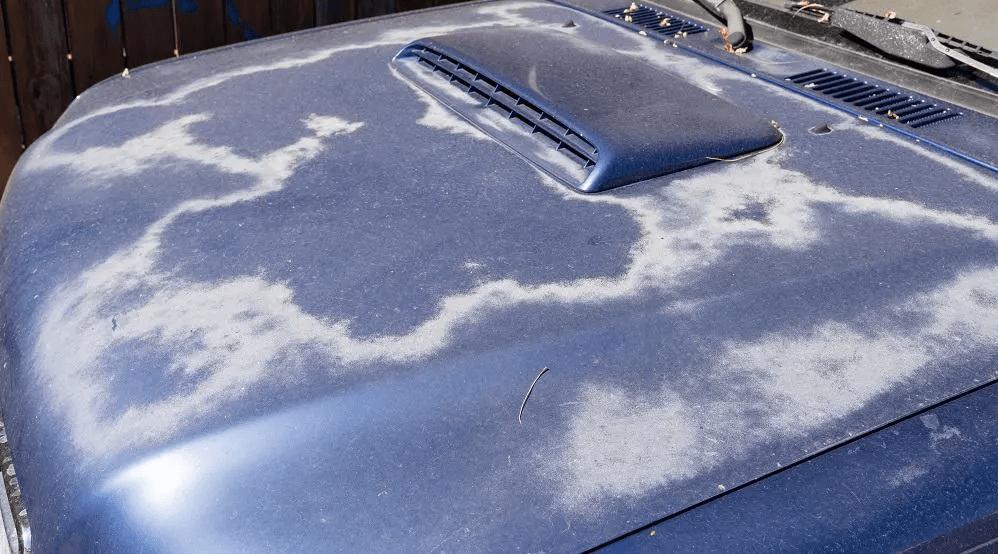
The intense Texas sun is legendary, but while warm summers make for great lake days, extreme ultraviolet (UV) radiation and triple-digit heat quietly wreak havoc on your vehicle. If you leave your car exposed to the elements, heat and direct sunlight will oxidize clear coats, fade vibrant color pigments, and turn smooth paint into a dull, flaking surface.
Understanding how to protect car paint from Texas heat isn’t just about preserving your car’s curb appeal it’s about protecting your long-term resale value. Below, we break down the science of sun damage, actionable protective strategies, professional surface treatments, and a comprehensive breakdown of your best options.
The Science of Solar Damage: What Texas Heat Does to Paint
To effectively defend your vehicle, it helps to understand what happens to automotive paint when parked under the Texas sun:
- UV Radiation and Oxidation: Ultraviolet light breaks down the molecular bonds in clear coats. Once the clear coat degrades, oxygen reacts with the exposed paint pigments a process known as oxidation. This causes paint to look chalky, faded, or white.
- Thermal Expansion: On a 100°F day in Texas, dark vehicle paint can reach temperatures well over 160°F–180°F. As the metal body panels expand and contract in extreme thermal cycles, microscopic cracks form in untreated paint layers.
- Baked-On Environmental Contaminants: Heat accelerates chemical reactions. Tree sap, bird droppings, bug splatter, and mineral-heavy hard water spots burn into the clear coat much faster when heated, etching permanent scars into the surface.
Key Takeaway: Untreated paint exposed to daily sun exposure can show noticeable clear coat failure in as few as 3 to 5 years.
5 Practical Daily Steps to Protect Your Car Paint
Protecting your finish begins with solid daily habits. Integrating these routine steps reduces direct UV exposure and shields sensitive outer layers:
- Park Strategically in the Shade: Whenever possible, park inside a garage, under a carport, or in shaded parking structures. If you must park under trees, watch out for falling sap and bird droppings, which become highly acidic under direct sunlight.
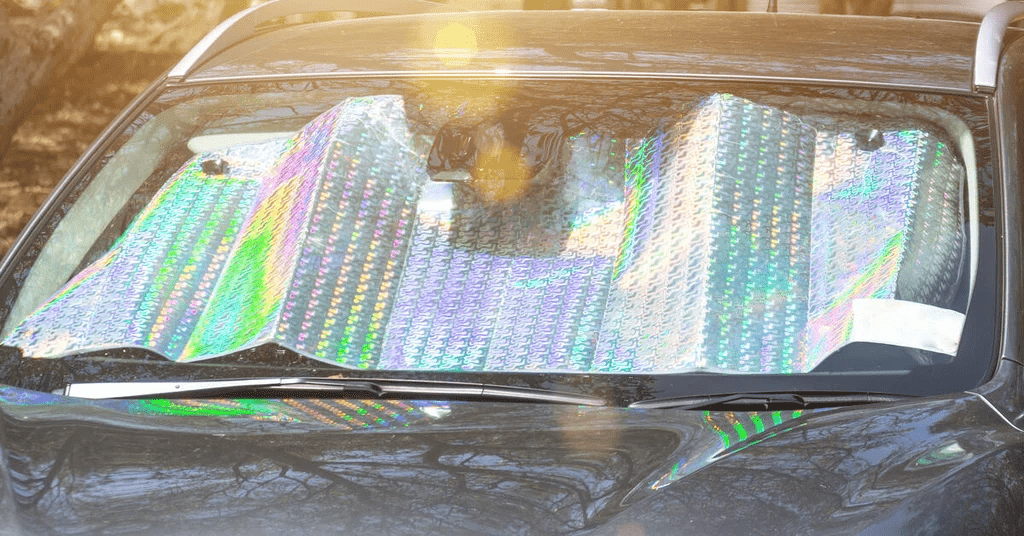
- Use a Quality Windshield Sunshade: While interior sunshades primarily protect your dashboard and leather seats, lowering cabin temperatures reduces the overall thermal stress on the vehicle’s metal panels.
- Wash Your Car Frequently (In the Shade): Regular washing removes environmental contaminants before heat bakes them into your clear coat. Always wash early in the morning or late in the evening out of direct sunlight to avoid mineral water spots.
- Dry Thoroughly with Microfiber Towels: Never let tap water air-dry on your paint under hot light. The minerals left behind act like tiny magnifying glasses, focusing solar energy into micro-burn spots on your finish.
- Apply a Quick Detail Spray between Washes: High-quality detail sprays contain UV-inhibiting polymers that add a temporary protective barrier over your existing wax or coating.
Professional Paint Protection Solutions Compared
While daily habits help, long-term defense against Southern heat requires dedicated surface protection. Here is a direct comparison of the four primary protective layers available to car owners:
Paint Protection Comparison Chart
| Protection Type | UV Resistance | Heat Tolerance | Lifespan | Defense Mechanism |
| Carnauba Wax | Low | Low (Melts ~160°F) | 1 – 2 Months | Organic protective layer |
| Synthetic Sealant | Moderate | Medium (~200°F) | 4 – 6 Months | Polymer cross-linking shield |
| Ceramic Coating | High | Extreme (1,000°F+) | 2 – 5+ Years | Nanotechnology silica barrier |
| Paint Protection Film (PPF) | High | High | 5 – 10 Years | Physical urethane armor |
Understanding the Options
- Carnauba Wax: Traditional organic wax adds a rich depth and warm gloss, but pure carnauba has a low melting point. In peak Texas summer conditions, wax can degrade within weeks.
- Synthetic Polymer Sealants: Engineered in laboratories, synthetic sealants bond to clear coat surfaces much tighter than wax, resisting high ambient heat while providing solid UV protection for up to six months.
- Ceramic Coatings: The gold standard in climate defense. A liquid polymer containing silicon dioxide ($SiO_2$), ceramic coatings chemically bond with factory clear coat to form a hydrophobic, glass-like shield. Ceramic coatings do not melt in extreme weather, block UV radiation, and effortlessly repel water and contaminants.
- Paint Protection Film (PPF): For maximum protection against both UV heat and flying road debris, clear bra PPF creates a physical impact layer over vulnerable front ends and hood panels.
Why Professional Detailing and Paint Correction Matter
Before applying any long-term protection such as a high-grade sealant or ceramic coating the surface must be thoroughly cleaned, clayed, and leveled. Applying protective coatings over damaged or contaminated paint locks in imperfections underneath.
If your clear coat is already showing signs of swirling, oxidation, or minor scratches, a multi-step polish or professional paint correction restores gloss and clarity before shielding it against future climate stress.
For complete exterior care, specialized services like Slim’s Paint Pros Detailing offer paint restoration, clay bar decontamination, and high-performance spray ceramic coatings tailored to survive tough local weather conditions.
Extreme Heat Mitigation: Environmental & Regional Factors
According to climate data from the National Oceanic and Atmospheric Administration (NOAA), Texas ranks among the highest states in solar radiation intensity during summer months. This makes proactive maintenance essential year-round.
Seasonal Protection Checklist
- Spring: Deep-clean winter grime, clay-bar the surface, and apply a fresh layer of ceramic protection before summer heat spikes.
- Summer: Wash weekly using shade-focused techniques; top off protection with UV-infused detail spray.
- Autumn: Inspect clear coat for sap or etching accumulated over summer; touch up light imperfections.
- Winter: Remove road dirt and light fallout so moisture doesn’t trap heat and accelerate corrosion.