
The Ultimate Texas Guide to Clear Coat Damage Prevention
For car owners across the Lone Star State, a vehicle is a major financial asset and a point of personal pride. Whether you cruise down the highways of Dallas, navigate the busy streets of Houston, or travel the rural roads of West Texas, your vehicle’s exterior finish is under constant environmental attack. The outer layer of your vehicle’s factory paint system bears the brunt of this daily beating. Consequently, without proactive defense, a vibrant automotive finish can rapidly transform into a faded, peeling, and unsightly mess.
To maintain your vehicle’s showroom shine and preserve its financial value, mastering clear coat damage prevention is an essential ownership strategy.
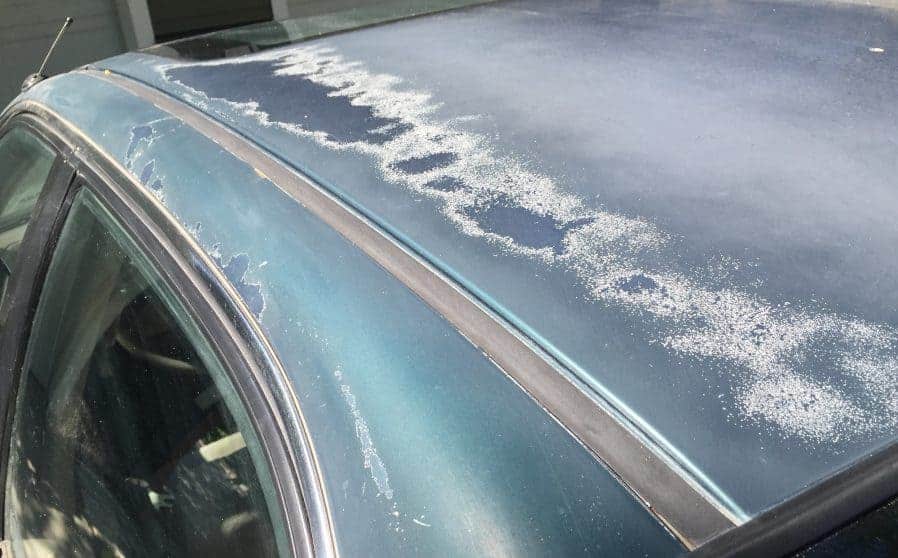
Many drivers mistakenly assume that a modern automotive finish is completely indestructible. In reality, the transparent polyurethane top layer is highly vulnerable to chemical, thermal, and mechanical degradation. If you wait until the surface begins to flake or turn a milky white color, the underlying damage cannot be polished away. At that stage, expensive body shop repainting is your only remaining option. Therefore, implementing a structured protective maintenance routine is critical. This comprehensive guide breaks down the science of paint degradation, compares leading defensive strategies, and provides an application playbook to keep your clear shield intact.

The Chemistry of Degradation: How the Environment Eats Paint
To execute an effective clear coat damage prevention routine, it helps to understand the physical makeup of your vehicle’s exterior surface. Modern automotive paint consists of three distinct layers sprayed over the raw sheet metal. First is the structural primer, followed by the pigmented base coat that provides the color. Finally, the manufacturer applies the clear coat, which is a transparent layer of polyurethane or acrylic resin.
This top layer serves two critical purposes. It creates optical depth and high gloss, and it acts as a sacrificial barrier shielding the delicate color pigment from the environment.
However, the intense Texas climate creates a perfect storm for polymer degradation. The primary threat is photo-oxidation triggered by relentless ultraviolet (UV) radiation. When high-energy UV rays strike the clear coat, they break apart the molecular chains that give the resin its elasticity and strength. As these chemical bonds fracture, oxygen molecules bind to the compromised polymers, making the layer increasingly porous. Consequently, this microscopic pitting changes how light reflects off the vehicle, replacing a sharp mirror reflection with a dull, chalky haze.
Quick Reference: Threat Profiling and Defensive Countermeasures
Before selecting a protective product for your vehicle, it is important to analyze the specific environmental hazards your car faces daily. Review this structural matrix to align local paint threats with verified preservation solutions:
| Environmental Hazard | Destructive Mechanism | Long-Term Surface Impact | Optimal Defensive Solution |
| Intense UV Radiation | Breaks down polyurethane polymer chains via photo-oxidation. | Causes a chalky white haze, fading, and clear coat delamination. | Professional Ceramic Coating or Paint Protection Film (PPF). |
| Windborne Red Dirt & Sand | Inflicts mechanical micro-abrasions across the top resin layers. | Creates deep swirl marks and dulls the optical clarity of the finish. | High-solids Paint Protection Film paired with hand-washing. |
| Corrosive Bird Droppings | Delivers highly acidic uric acid that etches into hot paint. | Inflicts permanent, sunken chemical scars in the clear layer. | Ceramic Coating or immediate spot-cleaning with detail spray. |
| Industrial Concrete Dust | Creates an alkaline chemical bond on the porous clear coat. | Formulates a rough texture that traps moisture and accelerates rot. | Regular chemical decontamination washes and slick paint sealants. |
The Structural Benefits of Proactive Paint Preservation
When you commit to a dedicated clear coat damage prevention program, the long-term advantages extend far beyond basic aesthetics. In fact, keeping that transparent resin layer fully sealed directly impacts your personal wealth and your vehicle’s operational longevity.
First, effective paint defense completely neutralizes the financial threat of premature vehicle depreciation. When a dealership appraiser or private buyer inspects a vehicle, the condition of the exterior finish serves as a direct reflection of how well the car was maintained overall. According to automotive market valuation data, a car suffering from visible clear coat failure or heavy oxidation Appraises for up to 30% less than an identical model boasting a glossy, well-protected finish. Therefore, investing in premium surface defense acts as a structural shield for your equity.
Second, a protected clear coat makes routine vehicle hygiene exceptionally easy.
Unprotected, weathered polyurethane develops a rough, microscopically jagged texture that acts exactly like velcro for road grime, iron brake dust, and organic debris. Conversely, utilizing a modern hydrophobic coating fills in those microscopic valleys. This creates an ultra-smooth, slick surface where water and environmental contaminants simply cannot find a foothold. Consequently, dirt rinses away effortlessly during a standard wash, drastically reducing the physical time and effort required to keep your vehicle looking immaculate.
Step-by-Step Playbook: The Surface Decontamination Protocol
Safely executing a clear coat damage prevention regimen requires a highly disciplined, multi-stage mechanical approach. Rubbing protective waxes or sealants over an unwashed, dirty surface will trap abrasive particulates against the paint, inflicting thousands of fine scratches. Therefore, professional detailing technicians utilize a strict, systematic preparation and protection protocol.
The Paint Preservation Protocol
1.1. Execute an Intensive Chemical Strip and Multi-Stage Wash:Decontamination.
Before applying any protective layer, you must strip away old embedded contaminants. Perform a high-foam pre-soak wash using a pH-neutral automotive shampoo to lift loose surface film. Next, spray an iron-deactivating chemical cleanser across the panels to dissolve microscopic metallic brake dust particles that have pinned themselves into the resin.
2.2. Glide a Synthetic Clay Bar to Smooth the Canvas:Mechanical Leveling.
Lubricate a body panel thoroughly with a specialized detail spray and gently glide a synthetic detailing clay bar back and forth across the paintwork. The tacky clay plucks away remaining bonded organic contaminants, including tree sap mist and industrial fallout. This mechanical step transforms a rough, bumpy texture into a glass-smooth surface.
3.3. Wipe Down Panels with an Isopropyl Alcohol Solution:Surface Prep.
Mix a solution of 15% isopropyl alcohol (IPA) and distilled water, spraying it lightly over the polished panels before wiping it clean with a plush microfiber towel. This critical step dissolves and removes any lingering polishing oils, compounding residues, or chemical surfactants. Consequently, this leaves behind a completely bare, naked clear coat layer that is chemically primed for maximum bonding.
4.4. Apply a Multi-Year Hydrophobic Ceramic Coating:Shield Application.
Wrap a specialized suede applicator cloth around a solid foam block and apply several drops of a premium liquid quartz ceramic coating. Work in small, controlled two-by-two-foot grid patterns, tracking a precise cross-hatch layout. The liquid fills the pores of the clear coat and cures into an ultra-hard, non-porous glass shield that blocks UV rays.
5.5. Execute the Thermal Cure and Verify Surface Slickness:Thermal Curing.
Park the vehicle inside a controlled garage environment away from moisture and dust for a minimum of 24 hours to allow the ceramic matrix to cross-link with the paint completely. Avoid washing the car with harsh chemicals for the first seven days. Once cured, this hard top-layer serves as your primary defense line, repelling dirt and preventing environmental etching.

Coordinating Automotive Care with Regional Environmental Standards
Operating a modern vehicle maintenance and detailing routine requires careful attention to regional water conservation mandates and ecological safety guidelines. Because automotive cleaning products contain surfactants, complex petroleum distillates, and heavy metal residues from brake dust, managing wash water runoff is a vital community priority.
Allowing soapy, chemically contaminated water to flow freely down an open street gutter can lead to public penalties and severe localized damage to municipal water systems.
To ensure community safety, all intensive cleaning operations should align fully with the clean-water criteria managed by the Texas Commission on Environmental Quality (TCEQ). Utilizing eco-friendly, biodegradable shampoos and washing your vehicle over grass or utilizing a dedicated commercial wash bay with an oil-water separator prevents hazardous runoff from entering local storm sewers and regional groundwater tables. Therefore, practicing eco-conscious washing techniques guarantees that your vehicle’s preservation plan remains safe for your investment, your family, and the surrounding Texas ecosystem.